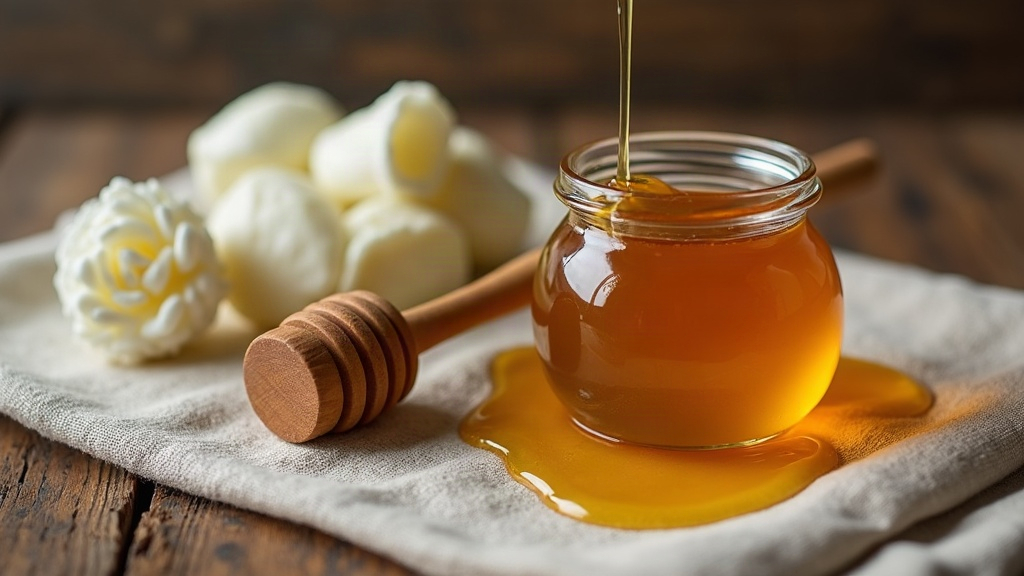
Most people over 50 assume a foggy afternoon or a misplaced name is simply the price of getting older. This video walks through what researchers actually say about honey and the aging brain, and why the story is more interesting than the assumption.
nBefore jumping to conclusions, it helps to understand what’s actually changing in the brain over time, including how something as ordinary as honey enters the conversation.
nRetrieving a word or a name can take a beat longer — that's a normal shift in processing speed, not necessarily a sign of decline.
Deep sleep stages shorten over the decades, and sleep plays a documented role in how the brain consolidates daily information.
Subtle dips in hydration or blood sugar balance can affect focus during the day, which is partly why simple ingredients like honey get attention.
Chronic stress exposure across a lifetime is one of many factors researchers study when looking at cognitive changes with age.
Separating common assumptions from what’s actually documented can change how you approach the topic entirely.
nMemory decline after 50 is inevitable and irreversible for everyone.
nCognitive aging varies widely between individuals; many factors, including lifestyle and diet, are studied for their potential role.
nNatural ingredients like honey have no relevance to brain health conversations.
nTraditional ingredients including honey have a long history of use and are a subject of ongoing nutritional research.
nIf you forget something once, it means something is seriously wrong.
nOccasional forgetfulness is common at any age and is not automatically a sign of a medical condition.
nHere’s a simple breakdown of what the video walks through, step by step.
nThe video opens by explaining the historical use of honey in different wellness traditions long before modern supplements existed.
nNext, it covers why researchers and nutrition writers have taken a renewed interest in this ingredient in recent years.
nFinally, it shows a simple, practical way some people incorporate this ingredient into an everyday routine.
nHoney has been part of traditional wellness practices across multiple cultures for centuries, long before it became a topic in modern nutrition articles. Ancient texts from several regions reference it as a staple ingredient, valued for its unique composition. Modern nutrition science has since taken a fresh look at what makes it distinct from refined sugar sources, examining its natural compounds with renewed curiosity.
nInsight: The interest isn’t new — it’s a centuries-old ingredient being re-examined with modern tools, not a recently invented trend.
nLosing your train of thought more often than usual during conversations.
Finding everyday objects in places that don't make logical sense.
Feeling briefly disoriented on a walk or drive you've taken many times before.
Needing instructions repeated more than once to complete a task.
Noticing a sharper mental dip in the afternoon compared to previous years.
Struggling to remember details of a conversation from earlier the same day.
These testimonials reflect individual opinions about the educational video content. They are not a guarantee of any outcome, and individual results and experiences vary.
nNo. This is educational content exploring a traditional ingredient and general nutrition topics. It is not a treatment, diagnosis, or cure for any condition.
nNo prescription is needed. The video is free to watch and simply shares information.
nThis page provides educational context. Any related offer, if presented after the video, is entirely optional to explore.
nIt’s designed for adults 50 and older who are curious about the traditional and nutritional conversation around honey and cognitive wellness topics.
nIt’s a short, focused watch designed to respect your time while covering the key points clearly.
nThe video references general nutritional science and historical use. As always, consult a healthcare professional for personalized medical guidance.
nWatching the video itself is free and does not require a purchase.
nDiscover the full story behind honey and the aging brain conversation — explained simply, without hype, in just a few minutes.
nAdvertising Disclosure: This page contains sponsored content and affiliate links. We may receive compensation if you click a link or make a purchase through links on this page. This does not affect the price you pay and helps support the content we provide.
nContent Disclaimer: This content is for educational and informational purposes only. It has not been evaluated by the FDA. It is not intended to diagnose, treat, cure, or prevent any disease. Always consult a qualified healthcare professional before making changes to your diet, supplement routine, or health regimen.
nResults Disclaimer: Individual results vary from person to person. Any testimonials or examples shared are not a guarantee of results and should not be interpreted as a promise of any specific outcome.
n© 2026 · All Rights Reserved · Questions? Visit our /contact/ page.
n